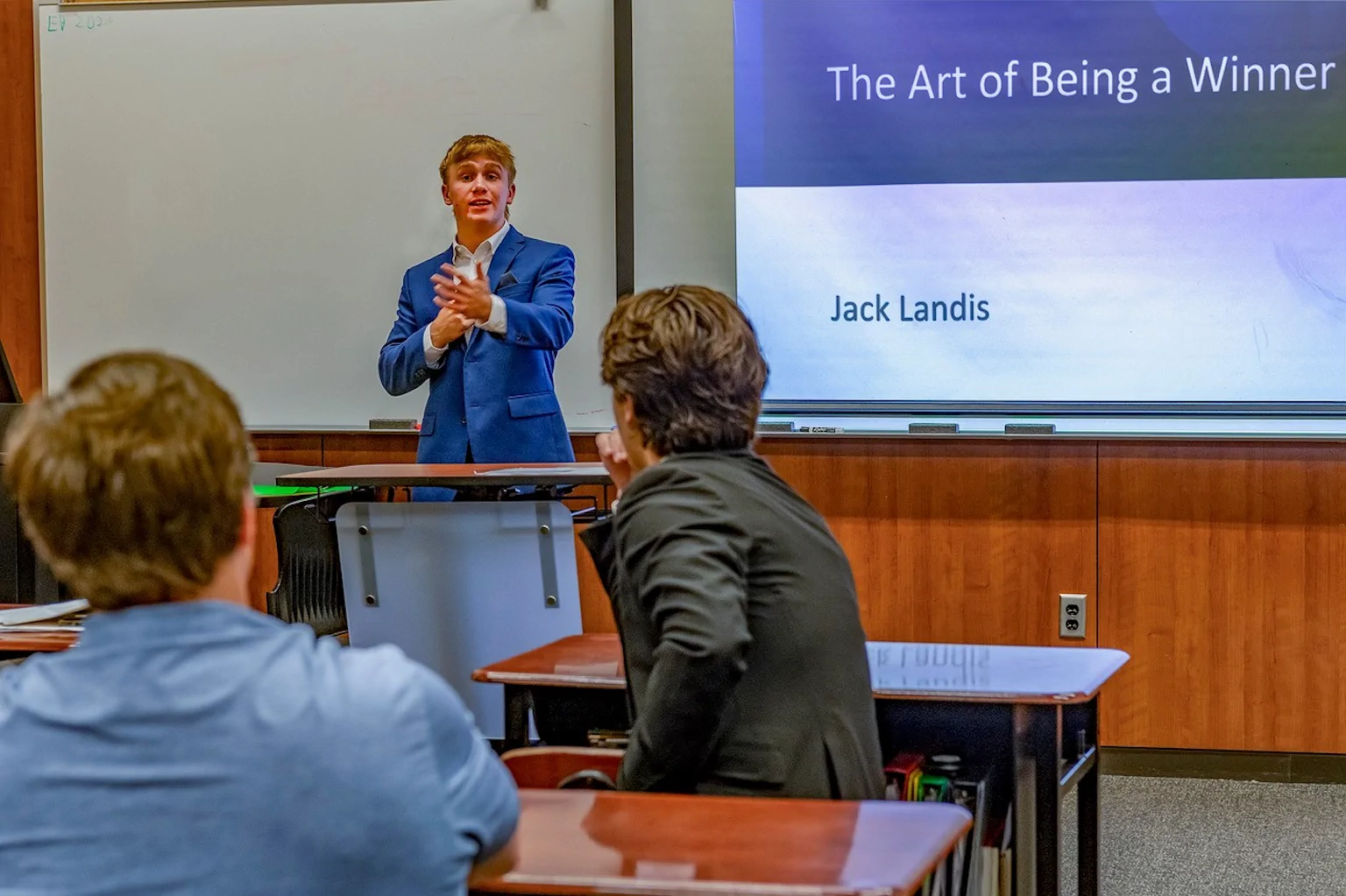
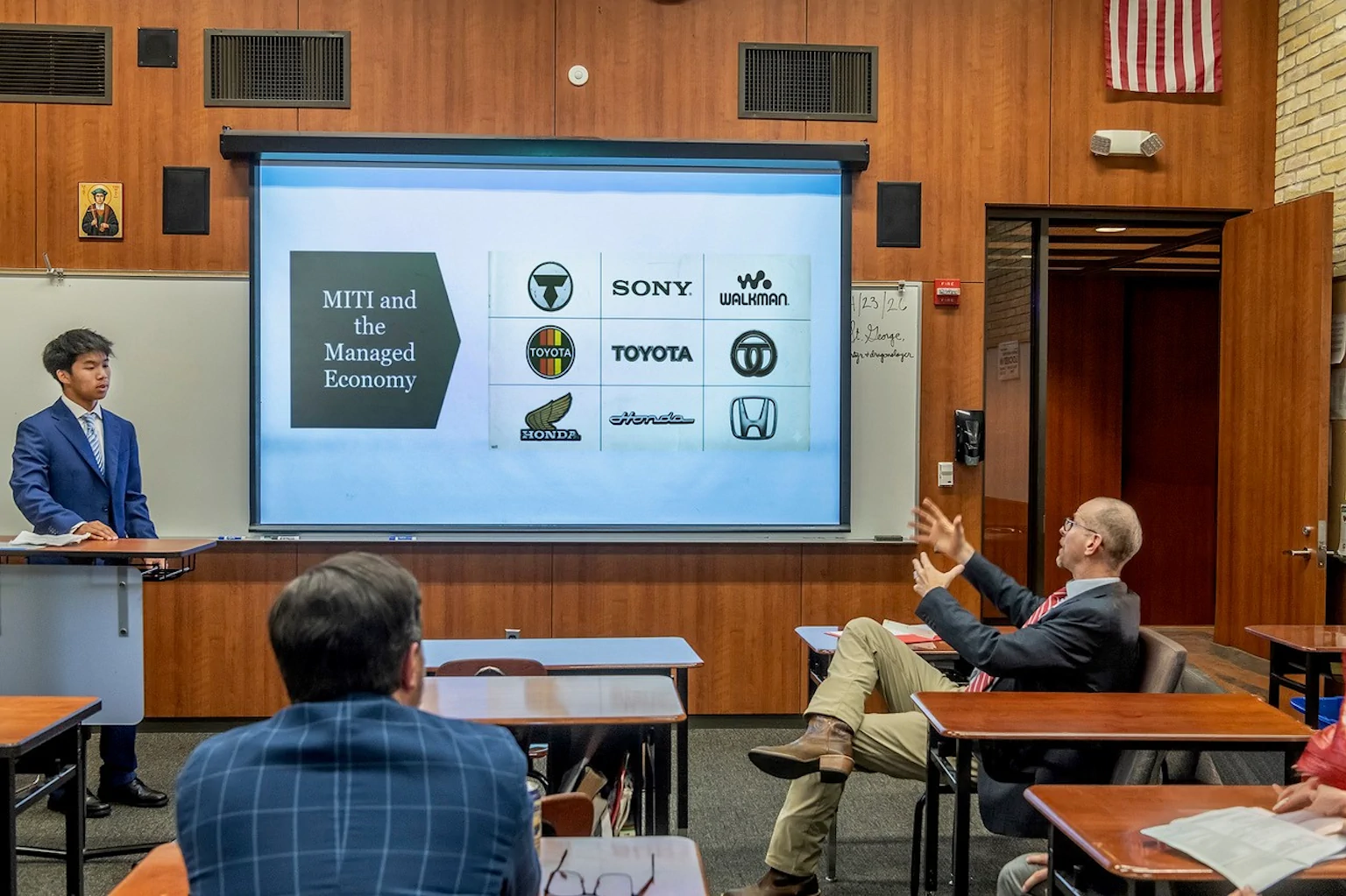
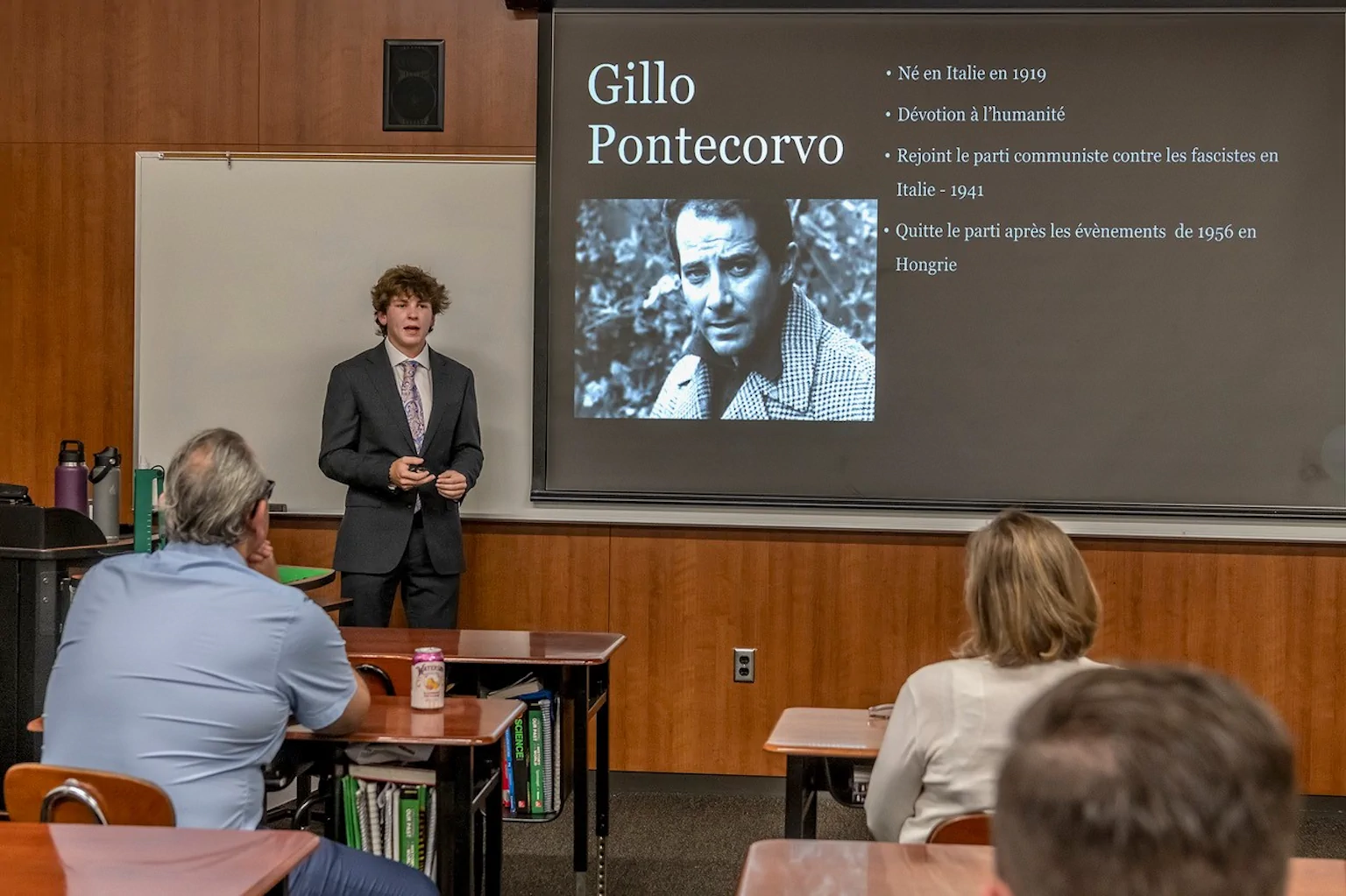
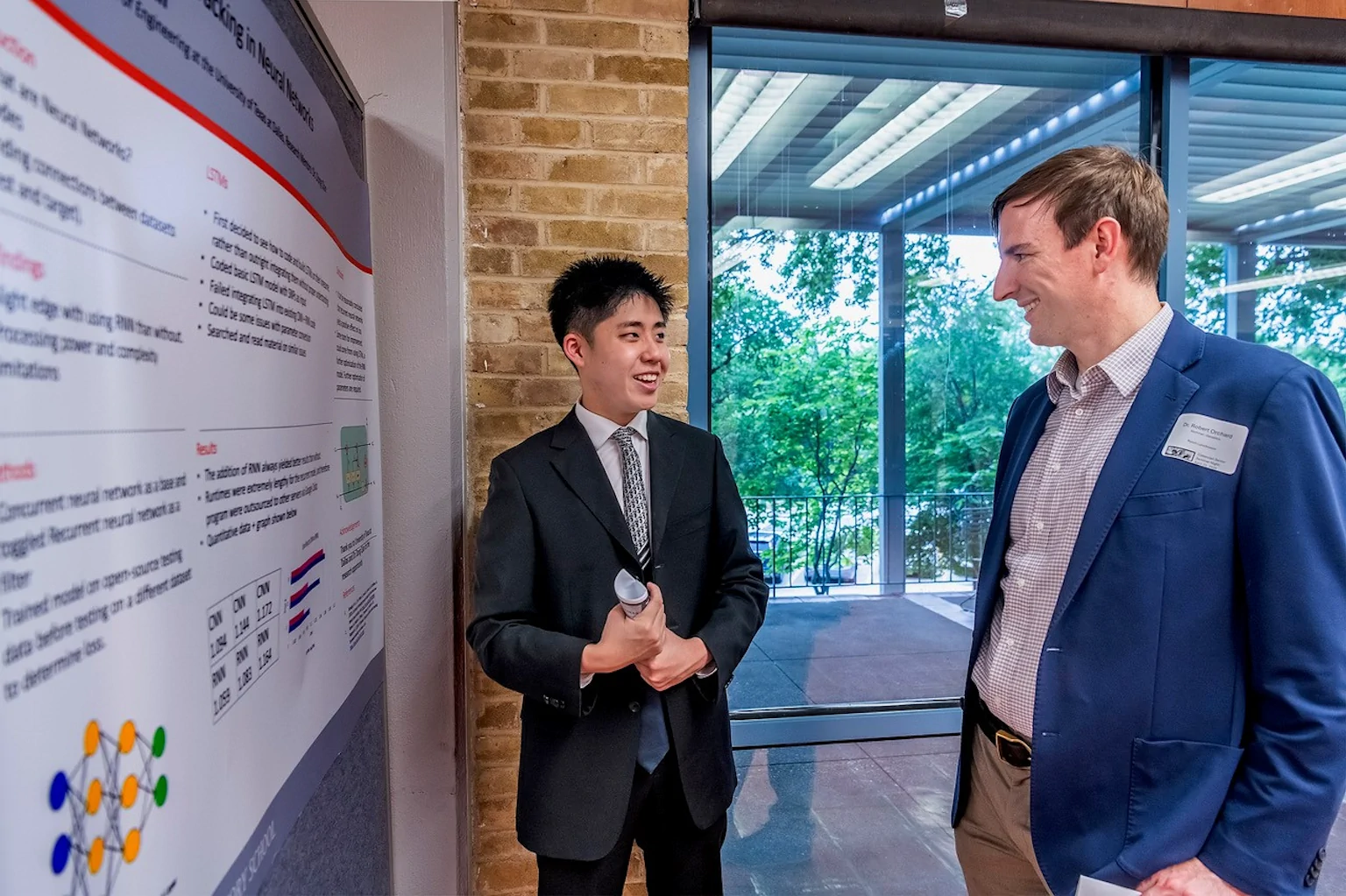
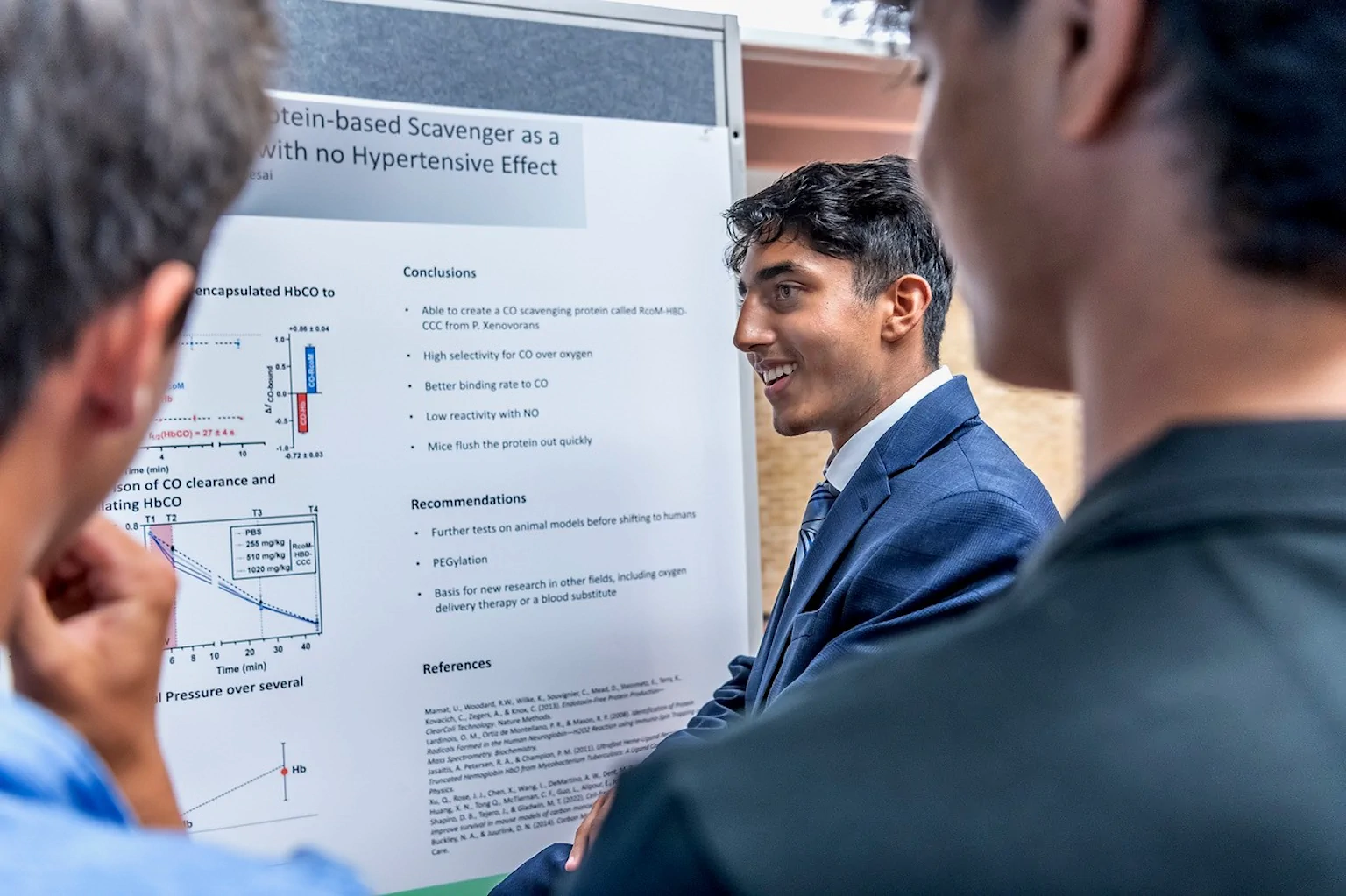
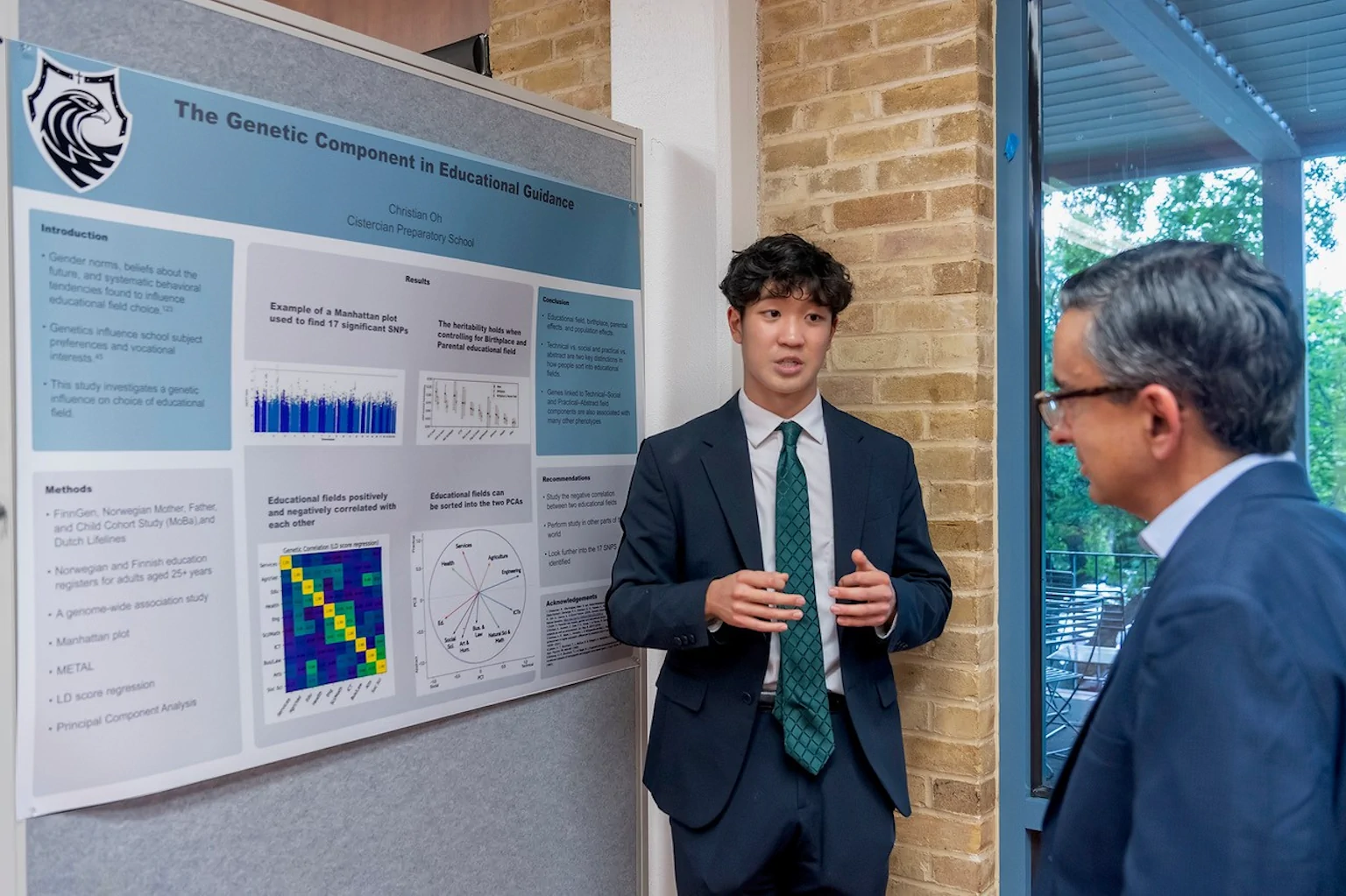
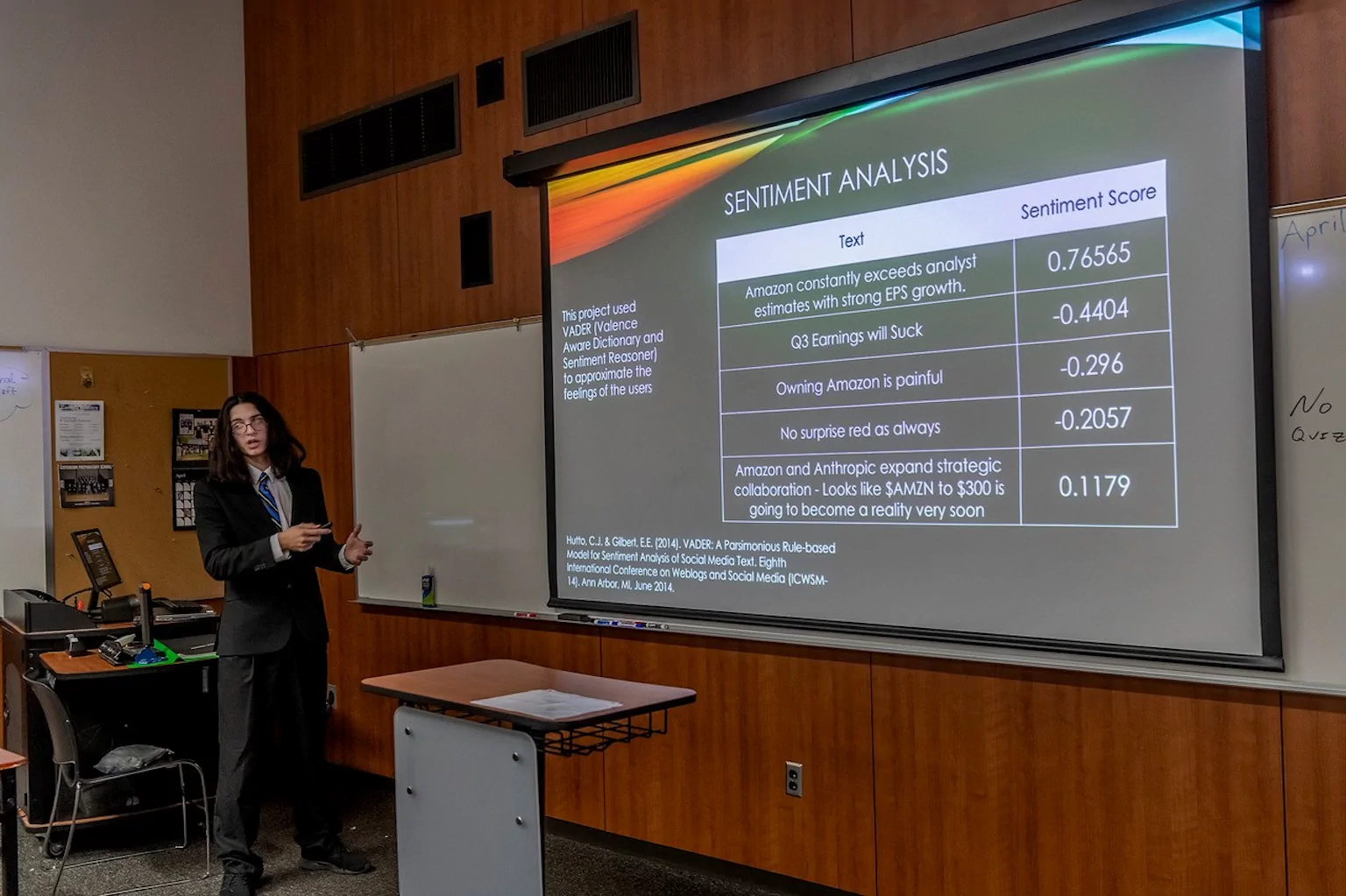
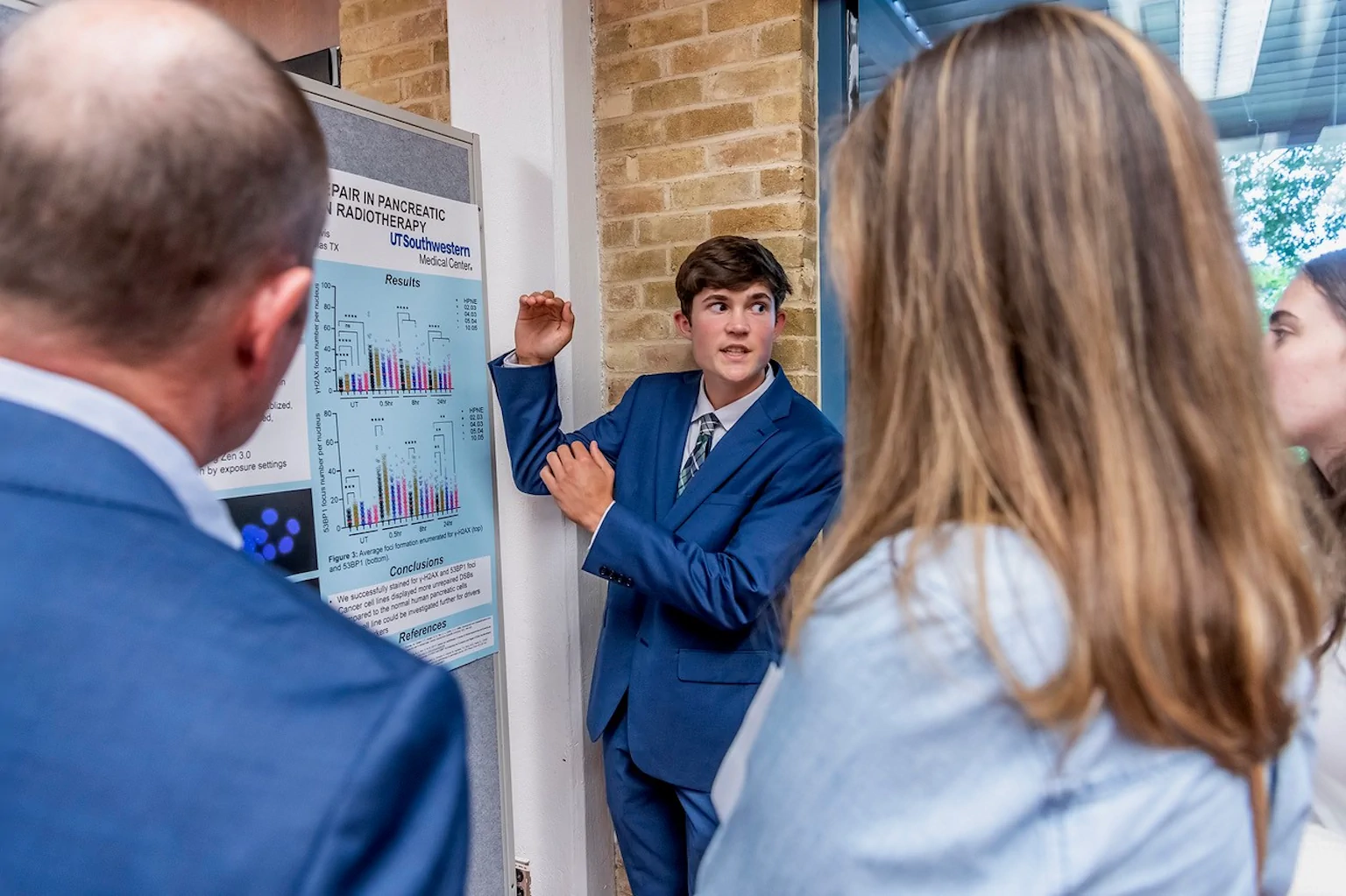
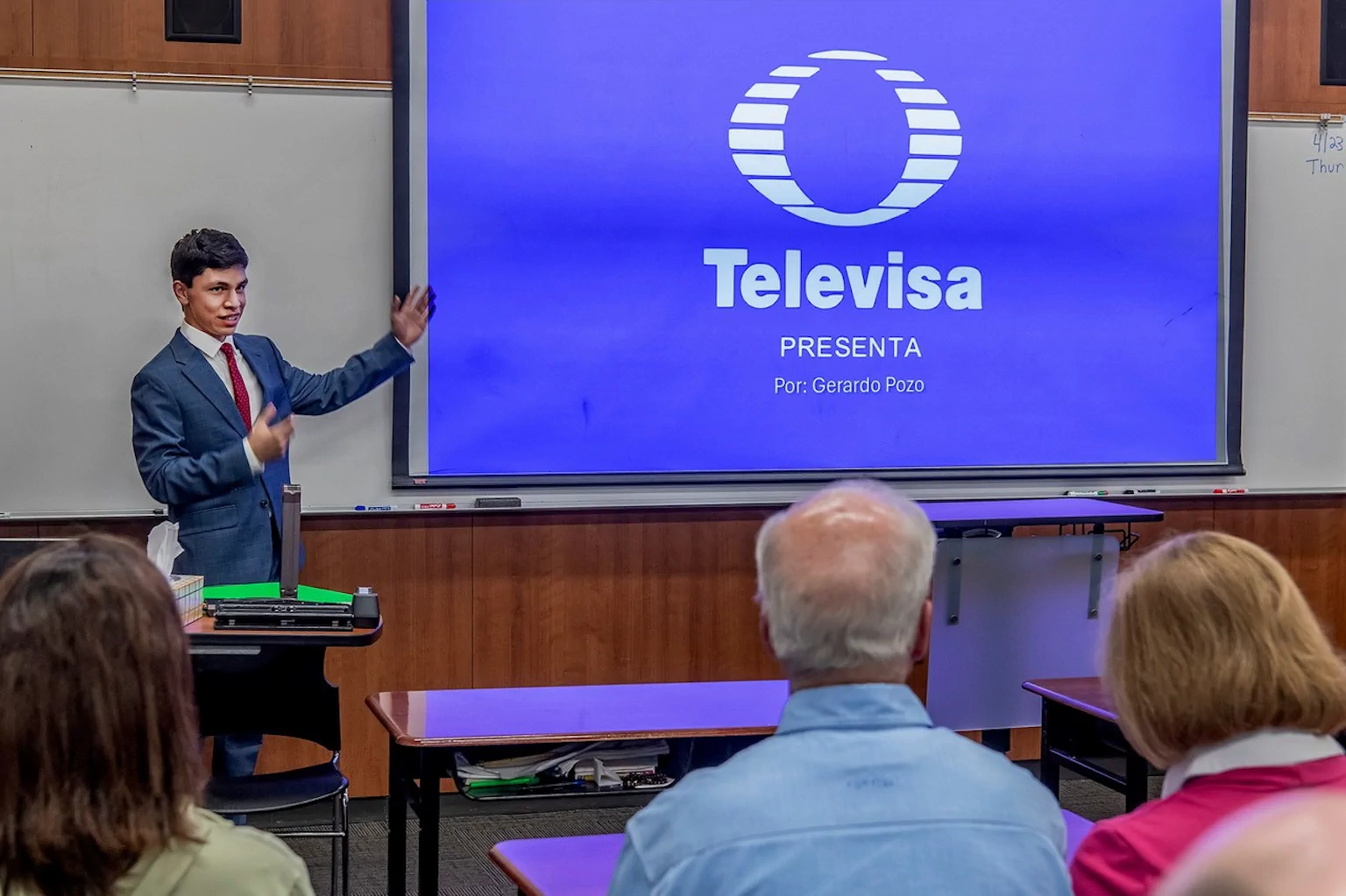
A full year of work, on display in one evening.
From machine learning and medical research to foreign policy, philosophy, and presentations in French and Spanish, our seniors share what they’ve been researching this year.
May 25, 2026 | Hawk Happenings
A full year of work, on display in one evening.
From machine learning and medical research to foreign policy, philosophy, and presentations in French and Spanish, our seniors share what they’ve been researching this year.
Learn what Coach Harris enjoys about coaching and being at Cistercian.
In September 1962, Cistercian Preparatory School opened its doors for the first time. This year, we celebrate 65 years of Cistercian.
Ardere et Lucere.
Please join us in welcoming our newest faculty and staff members to Cistercian.
After their first week of classes, our Form V boys jumped right into high school life with the first of many socials they’ll attend over the next four years. But before they attend, they first learn to be hosts.
The new Performing Arts facility will include a 200-seat theater, renovated visual arts spaces, a new gallery, and expanded areas for performances and instruction. Here’s a look at the progress taking shape on campus.
Do you ever feel like you are going through the motions without passion as you carry out your responsibilities? At times, we all can — even monks.
Jesus is the pivot point of the Hail Mary prayer. In the original Latin text, the prayer consists of two parts, each containing 15 syllables. The first part contains the biblical witness of the Annunciation and Visitation; the second features the doctrinal affirmation of Mary as the Mother of God who prays for us sinners, now and at the hour of our death.
Every morning, monks and nuns — and many lay people — arise early for morning prayer. The Latin name for this prayer, “laudes,” means “praises.” Often the psalms that make up morning prayer are indeed full of expressions of praise. One has inspired in me a reflection on the liturgy.
Elizabeth’s words to Mary form the bridge from the Annunciation to the Visitation in the Hail Mary prayer: “Blessed are you among women, and blest is the fruit of your womb” (Lk 1:42). After Mary’s hasty journey to her kinswoman, she, carrying Jesus in her womb-ark, receives an exuberant welcome from Elizabeth and John the Baptist. The unborn babies, Jesus and John, meet for the first time as their mothers embrace.
We have all surely experienced how difficult it can be to engage socially and politically as Catholics. Our faith pushes us into the uncomfortable position of prophetically challenging all political parties and calling everyone to conversion. Today, it can be especially difficult to exercise this prophetic mission, simply because the situations we should critique — the basic facts of the matter and their context — can be so difficult to ascertain (and contemporary media sadly makes our task even more difficult). This is a serious difficulty, since Jesus commands us not to judge by appearances (cf. Jn 7:24).